
How to look after your new bike
You just got a new bike — now keep it that way. Here are the habits the Bear Street Outfitters team swear by to keep your ride running smooth for years to come.
Getting a new bike is one of the best feelings going. Getting a new bike that still feels new two years later is even better — and it's more achievable than most people think. You don't need to be a mechanic. You just need a few good habits and the right supplies.
1. Do Your First Service at 8–12 Weeks
This is the one most new bike owners skip, and it's the most important.
When a bike is built, the cables, housing, and components all need time to bed in and stretch. Brake and gear cables in particular will loosen noticeably over the first few weeks of riding. Your shifting might start to feel sluggish, or your brakes might feel less crisp — that's not a fault, it's just the bike settling in.
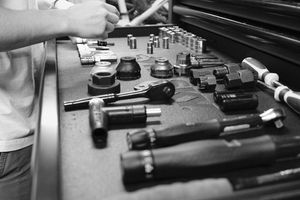
A first service at around 8–12 weeks (or after roughly 300–500 km) involves re-tensioning all cables, checking every bolt is torqued correctly, and going over anything that needs adjusting after real-world use. It's a quick job for a mechanic and makes a noticeable difference. Many bike shops — including us — include it in the purchase price, so check if yours does.
2. Keep the Chain Clean and Lubed
If you only do one thing on this list, make it this.
The chain is the hardest-working part of your drivetrain, and it punishes neglect fast. A dirty, dry chain wears out your cassette and chainring far sooner than necessary — and those are expensive to replace compared to a bottle of chain lube.
The basics:
After a muddy ride, rinse and dry the chain before re-lubing
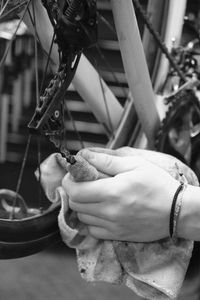
On dry rides, wipe the chain down with a rag every few rides and apply a thin layer of lube
Use a wet lube in wet conditions, dry lube in dusty/dry conditions — they're not interchangeable
Spin the cranks backwards after lubing and wipe off the excess. You want lube inside the links, not coating the outside where it just picks up dirt
A chain checker tool (a few dollars from any bike shop) takes the guesswork out of knowing when to replace it. Replace the chain before it stretches too far and you'll avoid replacing the cassette at the same time.
3. Check Your Tyre Pressure Before Every Ride
Riding on underinflated tyres is one of the most common — and easily avoided — problems we see in the shop. It causes pinch flats, makes the bike feel sluggish, and wears tyres out faster.
The right pressure depends on your tyre width, terrain, and rider weight. Most tyres have a recommended range printed on the sidewall. As a rough guide:
Road/hybrid tyres:
70–90 PSI
Hardtail MTB tyres:
25–35 PSI
Full-suspension/trail tyres:
22–30 PSI (front slightly lower than rear)
If you're riding in Banff on rough, rocky trails, running a little lower pressure gives you better grip and a more comfortable ride — but too low and you risk burping air (on tubeless) or pinch flatting (on tubed). Experiment and find what works for you.
A decent floor pump with a gauge is worth owning. It takes 30 seconds before a ride and saves a lot of grief on the trail.
4. Clean Your Bike After Muddy Rides — but Go Easy
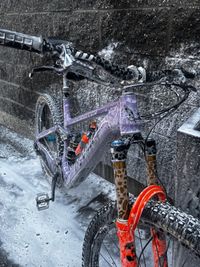
Trail riding in Banff means mud, grit, and the occasional full soaking. A clean bike lasts longer and is easier to inspect for damage.
Do:
Rinse with a gentle hose or bucket of water
Use a soft brush and bike-specific cleaner on the frame, drivetrain, and brakes
Dry it down with a rag before storing, especially around bearings and the bottom bracket
Re-lube the chain after every wet wash
Don't:
Blast it with a high-pressure jet wash — this forces water into bearings, pivot seals, and suspension internals where it causes corrosion and premature wear
Leave it wet in a garage or shed — damp + enclosed space is a recipe for rust and seized bolts
Cleaning doesn't need to be a big production. A quick wipe-down after a dusty ride and a proper wash after a muddy one is plenty.
5. Check Your Bolts — Especially on Full-Suspension Bikes
Mountain bikes take a beating, and bolts work loose over time. A bolt that vibrates out on the trail is at best an inconvenience, at worst a safety issue.
Every month or so (or more frequently if you're riding hard), go over the key contact points with an appropriate torque wrench or hex key:
Stem bolts (handlebar clamp and steerer clamp)
Seatpost clamp
Brake lever and derailleur clamp bolts
Rear suspension pivot bolts
Wheel quick releases or thru-axles
Most manufacturers publish torque specs for their components. Carbon components in particular have low torque limits that are easy to exceed — check the spec before cranking anything down hard.
6. Store It Properly
How you store your bike matters more than most people realise.
Keep it out of direct sunlight
where possible — UV degrades rubber seals, tyre compounds, and some frame finishes over time
Hang it or use a stand
rather than leaning it against a wall. Leaning bikes fall over, and falls damage derailleurs, brake levers, and paintwork
Don't store it in a damp space
for extended periods — garages and sheds that get wet encourage rust on steel components and corrosion on aluminium
Release suspension pressure
if storing for the off-season — some manufacturers recommend this to protect seals on forks and rear shocks
If you're putting your bike away for winter, give it a thorough clean, lube the chain, and check the tyre pressure before bringing it back out in spring.
7. Learn the Basics of Trailside Repair
Even a well-maintained bike gets flats. Knowing how to handle a few common trailside issues means a mechanical doesn't have to end your day.
At a minimum, carry:
A spare inner tube (or tubeless plug kit if you're running tubeless)
Tyre levers
A multi-tool with hex keys and a chain breaker
A mini pump or CO₂ inflator
A quick-link for your chain size
And know how to use them before you need them. It's worth practising a tube change at home so you're not doing it for the first time in the rain on the side of a trail.
When to Bring It In
Some things are worth doing yourself. Others are worth leaving to a mechanic. If any of the following apply, bring your bike in:
Brakes feel spongy or the lever pulls to the bar (hydraulic bleed needed)
Gears won't index properly despite cable adjustment
The bottom bracket is creaking
Suspension feels harsh, sticky, or is leaking oil
Any cracking, creasing, or unusual marks on a carbon frame
We're open every day, 9AM – 8PM at 203A Bear Street. Whether it's a quick adjustment or a full service, we'll get you back out on the trails.
Bear Street Outfitters · 203A Bear Street, Banff, AB · bearstreetoutfitters.com · +1 877 447 1934